

By Andrew Rogerson, Founder, Rogerson Business Services
Certified Business Broker (CBB), M&A Master Intermediary (MAMI)
Last updated: April 25, 2026
Author Note: This guide reflects common SMB sell-side practice in California Fire & Life Safety business transactions. It is not legal, tax, or investment advice.
Disclaimer: This tutorial provides general information for California sellers in the Fire & Life Safety niche. Requirements and forms vary by jurisdiction. Confirm current rules with your regulators and consult qualified legal counsel and environmental professionals for your specific deal.
You have navigated the grueling rounds of due diligence, negotiated the multiples, and signed the Letter of Intent (LOI). However, the final stage—closing a fire protection business sale—requires more than just a signature. In the Fire & Life Safety industrial services industry, your business value lies in recurring service contracts and your team’s technical expertise. If you mismanage the handoff, you risk “contract leakage” and a diminished final payout.
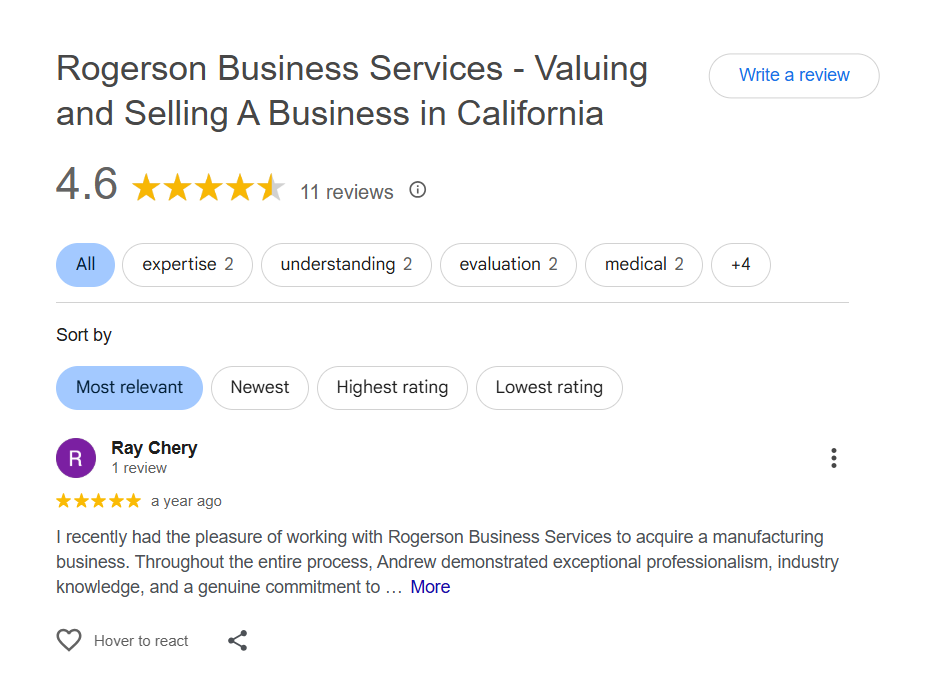
Testimonials
Mike and Sue Hickok
“We sincerely appreciate Andrew’s help and support throughout the process of selling our business. His knowledge and intuition when dealing with the various buyers was invaluable. While we did not have a large, complicated transaction, Andrew still made us feel important, always communicating and making sure we were as comfortable as possible with the process. We highly recommend Andrew to anyone in need of a business broker. We enjoyed working with him and are glad he came highly recommended to us!“
Mike and Sue Hickok –
See more reviews and testimonials.
Is your business currently operating at the top of its game? Send a free inquiry today! Call Andrew Rogerson, Rogerson Business Services, toll-free (844) 414-9700 | Leave a message – I’ll call you right back
The Takeaway: Key Pillars of a Successful Close
Before diving into the mechanics of the handoff, keep these three strategic pillars in mind to protect your equity:
- Contract Continuity: Audit your service agreements for “Change of Control” clauses. Proactive communication prevents clients from using the sale as an excuse to re-bid their contracts.
- Licensing Compliance: Ensure the buyer has a valid C-16 or C-10 license or is designated RME/RMO-ready. California law strictly prohibits unlicensed entities from performing fire protection work.
- Technician Retention: Your lead technicians hold the “tribal knowledge” of complex fire panels and client sites. Secure their loyalty early to prevent a post-sale talent drain.
A Cautionary Tale of the Failed Handoff

In my decades of experience as a California M&A advisor, I have seen robust deals falter at the finish line because the seller treated the transition as an afterthought.
Consider a recent scenario involving a fire alarm company in Northern California. The seller, eager to retire to the coast, assumed the “paperwork” was the only hurdle left. He failed to introduce the buyer to three major property management accounts that represented 30% of his annual recurring revenue (ARR). Because these clients valued the personal relationship and the technician’s knowledge of their legacy systems, they felt blindsided by the change in ownership.
Within thirty days of closing, two of those property managers exercised their “change of control” termination clauses. The buyer, now facing a massive revenue gap, looked to the holdback escrow for compensation. What should have been a clean exit turned into a legal dispute because the seller failed to implement a structured transition strategy for the fire alarm company.
Ensuring Continuity in the California Regulatory Landscape
In California, fire protection businesses operate under strict C-10 (Electrical) or C-16 (Fire Protection) licenses. If the buyer does not yet hold the necessary California Contractors State License Board (CSLB) credentials, you must plan for a “Responsible Managing Employee” (RME) or “Responsible Managing Officer” (RMO) transition.
Transitioning your business involves more than shifting keys; it requires a strategic transfer of trust and compliance. Because your clients rely on you for life-safety compliance, any lapse in service during the transition could lead to significant liability for both you and the buyer.
Technician Handoff Strategy & Staff Retention
In the fire protection industry, your “assets” walk out the door every night. Your technicians possess the “tribal knowledge” of complex fire pump controllers and the specific layout of addressable fire alarm systems in high-rise buildings. If you mismanage this transition, you risk a mass exodus that could trigger “clawback” provisions in your purchase agreement.
Timing the Announcement
Timing is everything. You should generally wait to announce the sale to your staff until the buyer has cleared all major contingencies and the financing is “firm.” If you announce too early and the deal collapses, you risk destabilizing your workforce. However, once the deal is certain, you must speak to your lead technicians first.
Implementing Stay Bonuses
Because California is an “at-will” employment state, your staff can leave at any time. To mitigate this risk, consider implementing stay bonuses or retention agreements.
- The Structure: Offer a financial incentive paid out in two installments—one at the close of escrow and another after 90 or 180 days of continued employment.
- The Benefit: This aligns the technicians’ interests with the buyer’s success and ensures the technician handoff strategy remains intact during the critical first six months.
The Shadowing Phase: Transferring Trust
A successful transition fire alarm company strategy requires a literal “boots on the ground” handoff. During the final weeks before closing, arrange for the buyer or their operations manager to shadow your lead technicians during annual NFPA 72 or NFPA 25 inspections.
- Introduce the Buyer as a Partner: Frame the buyer as a resource who will provide better tools or more benefits.
- Document: Ensure all “site secrets”—such as the location of hidden sub-panels or specific bypass codes—are entered into the company’s digital work order system.
- Review Client Preferences: Explain which building managers require specific notice periods or off-hours inspections.
Seller Consulting & Contract Retention
In the California Fire & Life Safety sector, the “stickiness” of your recurring service contracts often dictates the final value of your business. To bridge this gap and ensure a smooth exit, most high-value deals include a structured post-sale consulting fire business agreement.
Defining the Consulting Period
A standard transition period usually spans 30 to 90 days. During this window, you shift from “The Boss” to “The Advisor.” You must clearly define your hours and responsibilities in the Purchase Agreement to avoid “scope creep.”
- Phase 1 (First 30 Days): Full-time immersion. You introduce the buyer to key accounts and hand over vendor relationships.
- Phase 2 (Day 31-90): On-call support. You provide guidance on complex technical bids or troubleshoot issues with legacy systems.
The Strategy for Contract Retention
Your service contracts represent the lifeblood of the company. Because many California property managers utilize contracts with 30-day cancellation windows, you must proactively manage the “Change of Control” notification.
- Draft a Joint Letter: Work with the buyer to write a formal announcement. Frame the sale as an “enhancement” of services and highlight that the same certified technicians will continue the work.
- Conduct In-Person Introductions: For your top 10% of clients, arrange face-to-face meetings. Your presence validates the buyer and transfers “trust equity.”
- Audit the “Net Working Capital”: Ensure all prepayments for annual inspections are correctly accounted for in the closing statement to avoid disputes over service liabilities.
Final Legal Closing & The Transition Checklist
Closing a fire protection business sale involves more than just a wire transfer. In California, an independent third-party escrow company typically handles the transaction to protect both parties and ensure the legal transfer of assets.
Navigating California Escrow & Successor Liability
To protect the buyer (and ensure your escrow funds release), you must provide official clearances from the following state agencies:
- Employment Development Department (EDD): Submit the Release of Buyer Request Form (DE 2220R) to confirm all payroll taxes are paid.
- California Department of Tax and Fee Administration (CDTFA): File a Notice of Closeout (CDTFA-65) to settle sales and use tax accounts.
- Bulk Sale Notice: Pursuant to California Commercial Code § 6101-6111, the buyer must record a “Notice to Creditors of Bulk Sale” with the County Recorder at least 12 days before the close.
Trade & Compliance Resources
- California Alarm Association (CAA): Legislative advocacy and training.
- California Automatic Fire Alarm Association (CAFAA): Professional focus on fire alarm systems and NFPA compliance.
- Office of the State Fire Marshal (OSFM): Use their Building Materials Listing (BML) to verify system compliance.
The Master Transition Checklist
- [ ] CSLB Licensing: File the Disassociation Request (DISASSOC-REQ) if you are the license qualifier.
- [ ] Digital Keys: Transfer ownership of fire alarm programming software and CRM accounts.
- [ ] Fleet & Equipment: Provide original titles for all trucks and calibration certificates for testing equipment.
- [ ] Vendor Accounts: Introduce the buyer to reps at distributors like ADI or Potter Signal.
- [ ] On-Site Records: Hand over all “fire books” and digital service logs.
Close Your Deal with Confidence
Transitioning a fire and life safety business requires technical precision and relationship management. By following a structured technician handoff strategy, you protect the legacy you’ve built and ensure you receive your full financial reward.
Andrew Rogerson and the team at Rogerson Business Services specialize in navigating these complex California transactions. We provide the expertise needed to manage the nuances of M&A, from initial valuation to the final handshake.
Check out: →How to Sell a Fire & Life Safety Business in California (Valuation, Buyers & Exit Strategy Guide)
👉 Get Support Closing Your Sale with Rogerson Business Services