

By Andrew Rogerson, Founder, Rogerson Business Services (California M&A advisory) When considering an Environmental M&A Advisor vs. a Generic Broker, it’s important to understand the differences between these roles in the context of business acquisitions.
Last updated: March 25, 2026
Author note: This guide reflects common SMB sell-side practice in California environmental services transactions. It is not legal, tax, or investment advice.
You have an offer, but the terms feel complicated and risky. You can steer this. Anchor your negotiation around one objective: limit tail risk. Do it by tightening indemnification, setting disciplined liability caps and survival periods, defining an earn-out that pays on qualified backlog you actually deliver, and protecting retention in a way California law will respect.
If you’re negotiating environmental consulting firm sale terms today, this framework keeps you on offense.
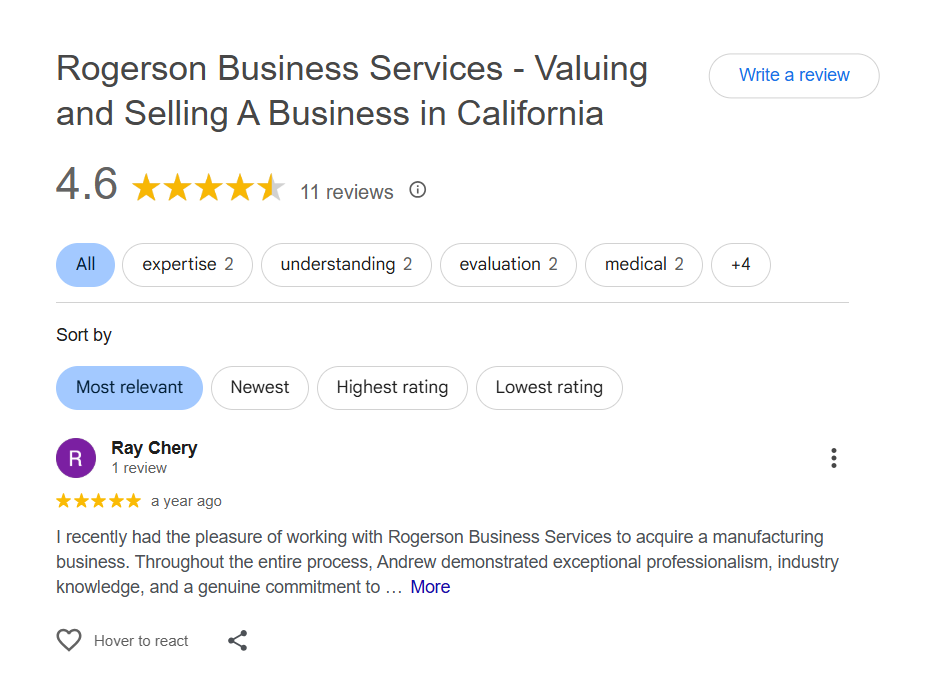
Testimonials
Mike and Sue Hickok
“We sincerely appreciate Andrew’s help and support throughout the process of selling our business. His knowledge and intuition when dealing with the various buyers was invaluable. While we did not have a large, complicated transaction, Andrew still made us feel important, always communicating and making sure we were as comfortable as possible with the process. We highly recommend Andrew to anyone in need of a business broker. We enjoyed working with him and are glad he came highly recommended to us!“
Mike and Sue Hickok –
See more reviews and testimonials.
Is your business currently operating at the top of its game? Send a free inquiry today! Call Andrew Rogerson, Rogerson Business Services, toll-free (844) 414-9700 | Leave a message – I’ll call you right back
Key takeaways
- Set a seller baseline: general reps cap at 10–15% of the purchase price with 12–18 months’ survival; keep fundamental reps at the purchase price cap or uncapped for fraud, title, and tax.
- Ring‑fence environmental exposure with a targeted special indemnity and a dedicated escrow sized to modeled remediation; ground your stance in CERCLA’s strict liability and California Water Boards cleanup regimes.
- Define the earn‑out on revenue recognized from a pre‑agreed qualified backlog schedule to reduce disputes and align with ASC 606.
- Protect people and clients using stay‑bonus escrows, fixed‑term transition roles, and strong confidentiality/IP—avoid post‑employment non‑competes and most non‑solicits in California.
- Script concessions: trade a modest cap for a specific environmental escrow or RWI; use expert determination to resolve earn‑out math.
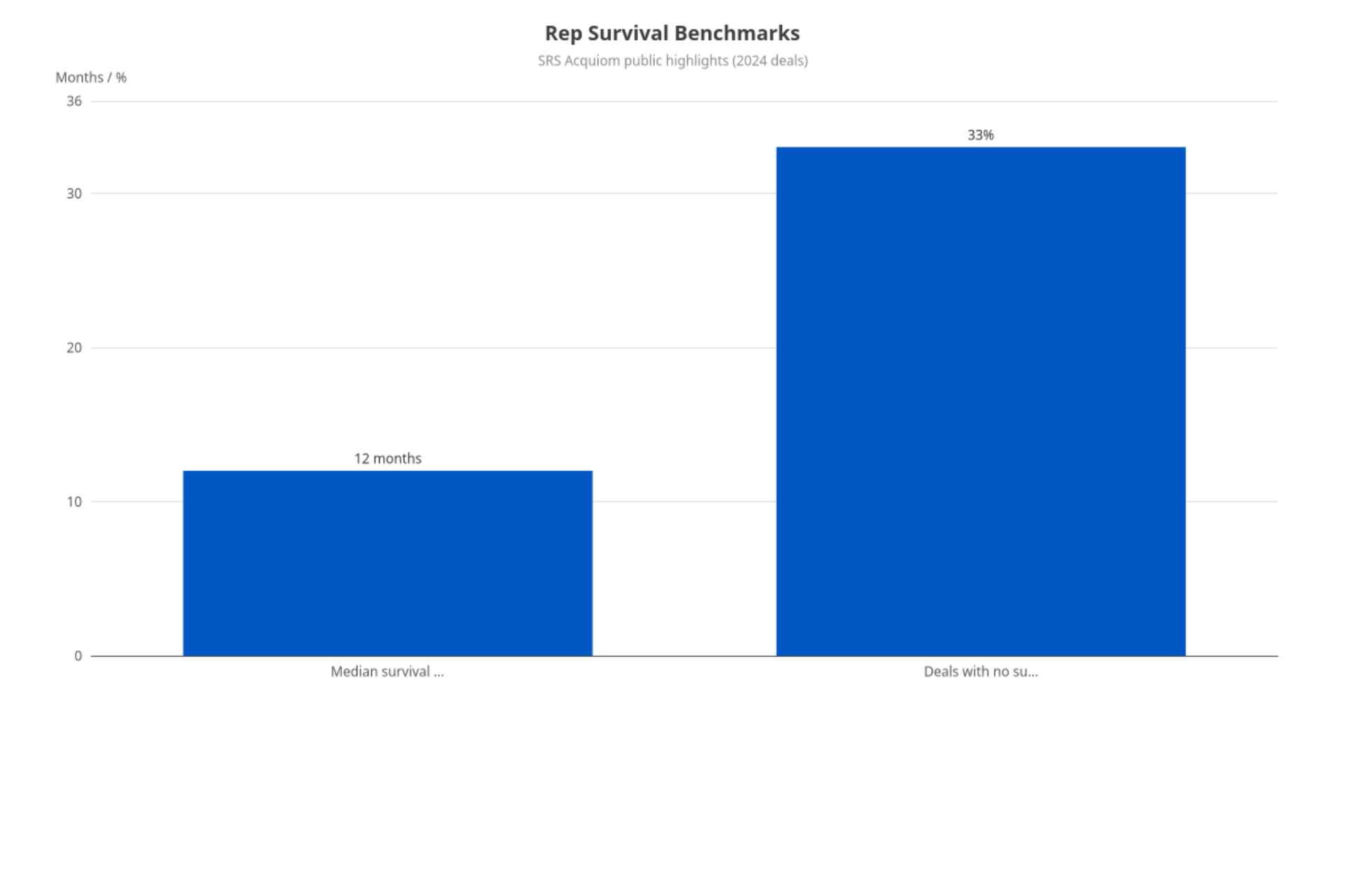
Benchmark note (public highlights): In 2024 deals, the median survival period was 12 months when survival existed, and 33% of deals were structured with “no survival.” Source: SRS Acquiom “M&A Deals: Key Trends from the 2025 Deal Terms Study” highlights.
Anchor your position with indemnification and caps.
Buyers push broad indemnities because environmental consulting carries long‑tail risk. You can narrow the aperture without derailing the deal. Separate general reps from fundamentals and environmental‑specific risks. Lead with a clear baseline: general reps at a 10–15% cap and 12–18 months survival. Keep fundamentals at purchase price cap or uncapped for fraud, title, and tax. Then propose a targeted environmental special indemnity with its own terms.
Suggested clause starter (for counsel to refine):
General Representations Cap and Survival. Seller’s aggregate liability for breaches of representations and warranties other than Fundamental Representations and the Environmental Special Indemnity shall not exceed [10–15%] of the Purchase Price and shall survive for [12–18] months following Closing. Fundamental Representations shall survive for [X] years and be capped at the Purchase Price, except for fraud, which shall be uncapped.
Use a short concession ladder when you meet resistance:
- Hold the 10–15% general cap, but offer a separate environmental escrow sized to modeled cleanup.
- Shorten survival on general reps if the buyer accepts tighter environmental scoping or insurance.
- Add an expert-determination mechanism for measurement disputes rather than raising caps.
According to the agency’s own explanation of strict and joint‑and‑several liability, see the EPA’s Superfund Liability overview in the enforcement section: EPA Superfund Liability. For the statutory framework that often motivates special environmental indemnities, review the EPA Summary of CERCLA.
Environmental risk allocation in California for negotiating the sale of an environmental consulting firm
California regulators actively police unauthorized discharges and legacy contamination. The State Water Resources Control Board and Regional Boards can issue Cleanup and Abatement Orders that bind responsible parties. That reality supports a separate environmental indemnity with its own cap, survival, and funding.
- Build the indemnity around pre‑closing conditions, permit and consent‑order gaps, and known notices.
- Pair it with a dedicated escrow sized to probabilistic remediation and oversight timelines.
- Consider pollution legal liability coverage or RWI to bridge unknowns and keep general caps low.
Strengthen your diligence and scoping with an internal readiness process. Use the Environmental Due Diligence Checklist to organize evidence, site histories, and permit status before the SPA stage: Sell Side Due Diligence Checklist.
Authoritative context: California’s Site Cleanup Program describes enforcement tools and cleanup obligations for unauthorized releases managed by the State and Regional Water Boards—see the State Water Resources Control Board Site Cleanup Program. For a regional overview of remediation processes, review the Los Angeles Regional Water Board’s remediation program.
Sample special indemnity starter:
Environmental Special Indemnity. Seller shall indemnify Buyer for Losses arising from Pre‑Closing Environmental Conditions at any Owned or Leased Real Property, or from violations of Environmental Laws by Seller before Closing, in each case limited to matters identified in Schedule [E] and to third‑party claims or Governmental Orders. The Environmental Special Indemnity shall be capped at [$X or Y% of Purchase Price], funded by a dedicated escrow in the amount of [$X]. It shall survive for [36–60] months, except that obligations arising under any Governmental Order issued during such period shall survive until final compliance.
Earn‑outs tied to qualified backlog
If you accept contingent consideration, define it so you get paid for work you actually deliver. For environmental consulting, tie the earn‑out to revenue recognized from a pre‑agreed qualified backlog schedule. Use GAAP rules to keep the math honest, and build in audit rights. If you are negotiating the sale details of an environmental consulting firm with an LOI in hand, insist on these mechanics.
Key mechanics to embed in drafting:
- Define Qualified Backlog as executed SOWs and MSAs with unrecognized revenue at closing; exclude canceled, disputed, credit‑hold, or sub‑threshold margin work.
- Pay on revenue recognized from Qualified Backlog during the measurement window under ASC 606 using the buyer’s policies consistently applied.
- Require quarterly statements, workpaper access, a short objection window, and expert determination for unresolved items.
Sample earn‑out starter:
Qualified Backlog and Earn‑Out. “Qualified Backlog” means the schedule attached at Closing listing each executed, in‑force customer contract or SOW with remaining unrecognized revenue as of the Closing Date, excluding (a) contracts subject to termination notices delivered before Closing, (b) engagements forecasted below [X%] gross margin, (c) projects on credit hold, and (d) unsigned proposals. Buyer shall pay Seller an Earn‑Out equal to [__%] of Earn‑Out Revenue recognized from Qualified Backlog during the [12–24] month Earn‑Out Period, determined in accordance with ASC 606 and Buyer’s historical accounting policies consistently applied. Buyer shall deliver quarterly Earn‑Out Statements with supporting workpapers within [45] days; Seller shall have [30] days to object; unresolved items shall be submitted to an independent accounting firm for final determination absent manifest error.
For accounting alignment and dispute reduction, anchor your drafting to guidance on revenue recognition under ASC 606. Deloitte’s accessible overview explains the steps for identifying performance obligations and recognizing revenue in a way you can reference in negotiations: Deloitte On the Radar: Revenue Recognition under ASC 606.
Retention protection that stands up in California
You win post‑close if key staff and client relationships stay engaged. However, California restricts non‑competes and many non‑solicitation clauses. Structure incentives during employment and tighten confidentiality and IP protections, rather than relying on post‑employment restraints.
- Use stay‑bonus escrows tied to defined service milestones.
- Offer fixed‑term transition roles with clear duties and mutual termination rights.
- Strengthen confidentiality, inventions assignment, trade‑secret, and return‑of‑property covenants.
California authorities and leading firms have reaffirmed the state’s broad prohibition on non‑competes and many non‑solicits following AB 1076 and SB 699. Review the California Attorney General’s alert on unlawful restraints and a leading firm’s analysis, California extends prohibition on noncompete agreements.
Clause starter for a stay‑bonus escrow:
Key Employee Retention Bonus. Buyer shall fund a retention escrow of [$X] to pay Key Employees listed on Schedule [K] retention bonuses of [$A] at six months post‑Closing and [$B] at twelve months post‑Closing, subject to active employment and satisfactory performance. Amounts forfeited by a Key Employee shall revert to the retention escrow for reallocation to remaining Key Employees. No post‑employment restrictive covenants are imposed beyond confidentiality and IP assignment.
War story: the standoff that nearly killed the deal
A California environmental consultancy had a strong offer. The buyer demanded a 30% cap on general reps with a three‑year survival and a broad, uncapped environmental indemnity. The seller walked. We reset the table: we proposed a 12% general cap with a 16‑month survival, a dedicated environmental escrow sized to a third‑party remediation model with a 48‑month survival, and a backlog‑based earn‑out payable on revenue recognized from a pre‑agreed schedule. Counsel refined the clauses, the buyer got certainty through escrow and expert determination, and the seller capped tail risk. The deal closed on time. If you’re negotiating environmental consulting firm sale trade‑offs today, this path keeps leverage with you.
Quick checklist you can run before you sign
- Confirm your general reps cap at 10–15% and survival at 12–18 months; keep fundamentals at purchase price cap or uncapped for fraud/title/tax.
- Carve out environmental risks with a targeted special indemnity, separate cap, and escrow sized to realistic cleanup.
- Attach a qualified backlog schedule and pay the earn‑out on revenue recognized under ASC 606 with audit rights and expert determination.
- Fund stay‑bonus escrows and nail down transition roles; avoid unenforceable restraints in California.
- Align dispute processes and timelines so no one can slow‑walk or reopen settled numbers.
Sources and further reading
- The EPA’s enforcement page explains who bears cleanup responsibility and how liability can attach to successors: Superfund Liability; for the statutory framework, see the Summary of CERCLA.
- The California State Water Resources Control Board Site Cleanup Program and the Los Angeles Regional Water Board remediation program outline cleanup responsibilities and processes.
- California’s stance on non‑competes and many non‑solicits is summarized in the Attorney General’s alert on unlawful restraints and in WSGR’s analysis of the extended prohibition on noncompete agreements.
- For aligning earn‑out metrics to revenue recognition, see Deloitte’s On the Radar: Revenue Recognition under ASC 606.
FAQs
1) How do buyers in California handle legacy environmental liability after closing?
Most buyers separate general deal indemnities from environmental-specific exposure. In practice, you’ll usually see a targeted environmental special indemnity, a dedicated escrow sized to the risks you can actually model, and (sometimes) environmental insurance to cover unknowns. You help yourself most when you scope the indemnity to identified pre-closing conditions and known notices, then tie survival to realistic regulatory timelines rather than an open-ended “forever” obligation.
2) Should I accept an earn-out, and what’s the least painful way to measure it?
Accept an earn-out only if the definition protects you from post-close “moving goalposts.” For environmental consulting firms, the cleanest structure often pays on revenue recognized from a pre-agreed qualified backlog schedule, measured under consistent ASC 606 policies. You’ll also want tight reporting timelines, workpaper access, and an expert-determination process so disagreements don’t turn into slow-walked payments.
3) What’s the best way to protect my team and client relationships given California non-compete limits?
Plan for retention while everyone still works for the business. California’s restrictions mean you usually get more reliable results from stay-bonus programs, clear transition roles, and strong confidentiality/IP and trade-secret protections than from post-employment restrictions. If continuity matters to price, ask the buyer to fund retention up front (for example, through a retention escrow) and define who qualifies as a “Key Employee” before you sign.
4) How do I keep indemnity caps and survival periods from creeping up late in the process?
Set your baseline early and treat it like a deal guardrail. When a buyer pushes for more protection, trade for precision instead of giving blanket concessions: narrow the scope, define the trigger, and fund a specific escrow for a specific risk. If you need to concede, concede on timing or process (like faster notice and expert determination) before you concede on a higher cap or a longer, broader survival period.
5) What diligence materials do buyers expect from an environmental consulting firm seller in California?
Buyers typically want clean documentation around contracts and backlog, licensing and compliance posture, insurance history, and any known notices or cleanup obligations tied to sites you own, lease, or operate. You’ll move faster if you organize these materials before drafting the SPA and align them with the representations you’re willing to make. The goal isn’t to “dump documents.” It’s to create a defensible story that supports narrower reps, tighter survival, and a better-defined environmental escrow.
Ready to protect your downside and still close? Get Deal Structuring Support. If you’re in an active LOI, we’ll help you size the environmental escrow, calibrate caps and survivals, and define a backlog‑based earn‑out that pays fairly. Sell an environmental consulting business confidentially in California
—
Author note: Andrew Rogerson is a five‑time business owner, author of four books on business ownership, and a Certified Business Broker, Certified Mergers & Acquisition Professional, and Mergers & Acquisition Master Intermediary based in California. This article offers practical negotiation guidance; your counsel should review any clause language for your specific deal.